
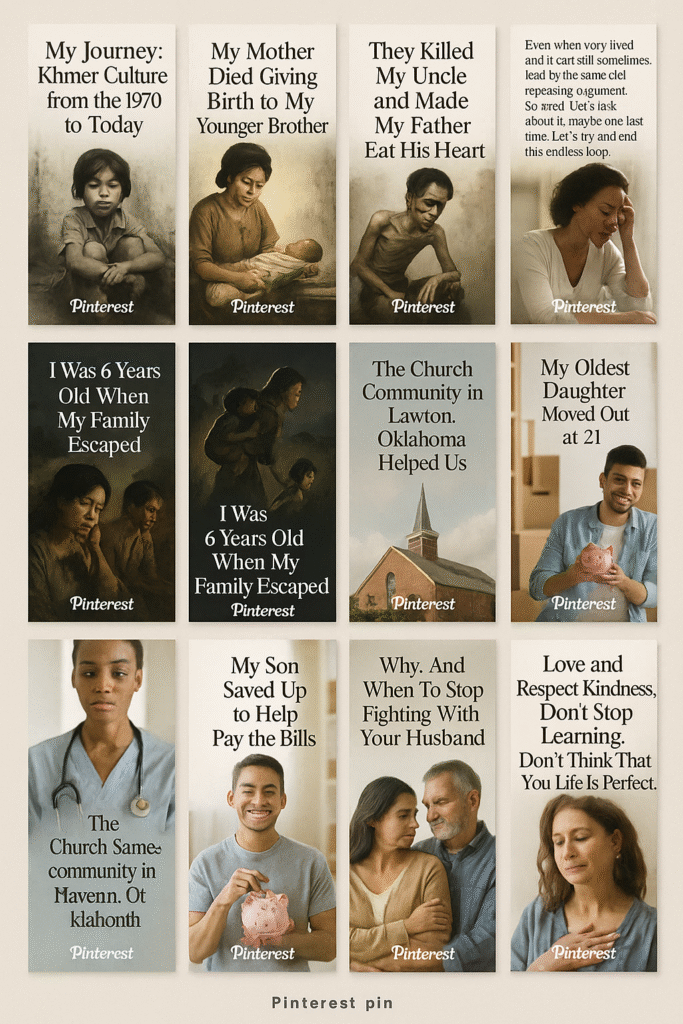
Introduction: A Child of War
The tumultuous period of the 1970s in Cambodia was marked by war, political turmoil, and immense suffering, shaping a generation and leaving an indelible mark on Khmer culture. As a child enveloped in this environment, life was characterized by an atmosphere of fear and uncertainty, where survival was paramount. The pervasive sense of dread was compounded by the looming presence of conflict, as families were torn apart and communities were devastated.
During this era, many children like myself witnessed their innocence stripped away, confronted with the harsh realities of violence and loss. Food scarcity became a daily challenge, as families struggled to provide for their needs amidst widespread devastation. Homes were often reduced to rubble, and the relationships that once provided a foundation of support were frequently upended, leaving individuals to navigate an unpredictable world. Yet, within these disheartening circumstances, there emerged a remarkable sense of resilience that defined the spirit of Khmer people.
Despite the overwhelming challenges, the Khmer culture exhibited an unwavering commitment to family bonds and community solidarity. These values became lifelines, reinforcing the idea that, even in the darkest of times, the human spirit could endure. Tales of bravery and sacrifice from parents, siblings, and neighbors served as sources of inspiration, fostering a collective determination to persevere. This strength stemmed not only from the desire to survive but also from a profound cultural legacy that honored resilience and hope.
As we reflect on the turbulent narrative of a child growing up amidst war in Cambodia, it becomes apparent that the trials faced are not merely personal, but interwoven with the broader tapestry of Khmer history. This journey through loss and renewal is ultimately a testament to the unbreakable human spirit and the powerful capacity for healing and transformation within a culture marked by tragedy.
The 1970s: A Nation Torn Apart
The 1970s marked a tumultuous period in Cambodia’s history, characterized by a violent struggle that disrupted the fabric of Khmer culture. The rise of the Khmer Rouge and its subsequent reign of terror led to widespread chaos, profoundly affecting traditional practices and social structures. Key aspects of Khmer life, such as Buddhist chants and family gatherings, which had long served as pillars of the community, were brutally interrupted. The cultural implications of this era went beyond mere disruptions; they instilled a deep sense of loss and trauma within families.
As the war escalated, many families found themselves torn apart, not just physically but emotionally. Personal stories abound of individuals who lost loved ones to the indiscriminate violence that engulfed the nation. These narratives are not merely tales of despair; they embody the resilience of the Khmer spirit. For instance, survivors often recount how they sought solace in traditional Buddhist practices as a way to cope with the loss. These rituals, however, became increasingly challenging to uphold in the face of relentless persecution.
The collective memory of the Khmer people remains marked by this period of upheaval. Each family carries its own stories of hardship and survival, weaving a complex tapestry of experiences that informs their cultural identity. Despite the brutality experienced, many held onto their faith and traditions as a means to navigate the onslaught of violence. The struggle for cultural preservation amidst destruction serves as a testament to the unbreakable human spirit. As families worked to remember and honor those lost, they also laid the groundwork for cultural renewal in the years to come, intertwining their grief with a shared commitment to keep their heritage alive.
A Journey of Survival: Escape from Battambang
The turbulent years of the Khmer Rouge regime brought profound disruptions to the lives of many families in Battambang, as they faced the imminent threat of violence and persecution. The urgency to flee their homes created a significant emotional toll, as families were often torn between the need for self-preservation and the ethical considerations of leaving others behind. With the looming presence of danger, the decision to escape required unimaginable courage, and families were forced to navigate through fear and uncertainty in their quest for safety.
The act of escaping involved perilous journeys, often undertaken at night to minimize the risk of being detected. Families sought refuge in remote areas, taking whatever means of transportation they could find, whether it be on foot, bicycle, or improvised vehicles. Each step of this journey brought with it a mix of desperation and hope; children clung to their parents while elders offered guidance, further solidifying the deep ties of family unity during this crisis.
As communities grappled with their dire circumstances, moral dilemmas permeated their decisions. Many individuals faced the heart-wrenching choice of whether to assist neighbors and friends at the risk of their own safety. Despite the chaos surrounding them, the instinct to help others exemplified the unbreakable bonds of community forged in times of hardship. Acts of compassion and generosity shone through, illuminating the strength of human spirit even amid darkness.
The emotional landscape during these escapes was complex, marked by grief for what was left behind, but also by a profound sense of determination. Refugees mourned their loss while holding onto the hope of reclaiming their lives and rebuilding their communities. Such experiences highlight the resilience of family and social bonds, which served as vital sources of strength, guiding individuals through the challenges they faced as they sought to escape the horrors of their reality.
The 1980s: Refuge and Rebuilding
During the 1980s, the Khmer people found themselves grappling with the aftermath of devastation caused by war and genocide. As many were forced into refugee camps primarily located in Thailand, the struggle for survival was paramount. Yet, in these dire circumstances, the resilience of Khmer culture emerged vividly. Despite the physical and emotional scars left behind by the conflicts, individuals and communities staunchly held onto their identities, traditions, and beliefs, demonstrating an unwavering spirit in the face of adversity.
Life in the refugee camps was characterized by struggle, limited resources, and a bleak landscape. However, even in such challenging conditions, the Khmer community found solace in storytelling. Tales of their ancestors, folktales that echoed cultural values, and narratives of hope were shared under the glow of makeshift shelters. This practice of storytelling served not only as a form of entertainment but also as a vital means of preserving Khmer cultural heritage. Through these stories, the teachings of resilience and faith were passed down, fostering a sense of continuity and belonging amidst uncertainty.
Moreover, communal prayers became an essential aspect of life in the refugee camps. They provided a spiritual refuge, uniting individuals in their shared commitment to their cultural and religious beliefs. These gatherings were moments of collective expression, where people sought comfort, strength, and healing through communal rituals and prayers. They reaffirmed bonds among community members, allowing for emotional support and reinforcing the values that define Khmer identity. Throughout the decade, such communal activities acted as lifelines, maintaining hope for a better future amid a backdrop of loss and instability.
In this way, the 1980s emerged as a critical period for the Khmer people, where, despite the multifaceted challenges of life in refugee camps, the cultural resilience shone brightly. Through storytelling and communal prayers, they safeguarded their heritage and nurtured the unbreakable human spirit that is a hallmark of Khmer culture.
Cultural Persistence: The 1990s–2000s
The 1990s and 2000s marked a significant era for Khmer families as they found themselves resettling in various countries, notably the United States, after enduring decades of war and loss. This transition was riddled with challenges, particularly in terms of cultural preservation and the emotional well-being of families. Resettlement meant not only adapting to a new environment but also grappling with the complex layers of identity shaped by trauma and displacement.
For many Khmer families, maintaining cultural ties in a foreign land proved to be a monumental task. The necessity to assimilate into American society often clashed with the desire to hold onto their rich cultural heritage. This duality created a sense of conflict within the community as parents sought to instill traditional values in their children, who were increasingly influenced by Western norms. While this cultural friction was challenging, it also fostered resilience, encouraging families to celebrate their heritage through kinship and communal activities.
Key aspects of Khmer culture, such as language, cuisine, and religious practices, became vital tools for fostering a sense of belonging and continuity. Families often gathered to celebrate traditional holidays and rituals, ensuring that these customs remained at the forefront of their daily lives even amidst the changes they experienced. Furthermore, the establishment of cultural organizations provided necessary support networks, encouraging the younger generation to engage with their roots while navigating the complexities of modern life.
The emotional and psychological scars from war and displacement persisted, affecting familial relationships and individual identities. Yet, through small yet significant practices, such as shared meals and storytelling, Khmer culture not only survived but began to flourish in new contexts. These efforts exemplified the indomitable spirit of the Khmer people, reflecting a profound commitment to cultural persistence in the face of adversity.
Healing Across Generations: The Impact of Trauma
The long-term effects of trauma on Khmer families have been profound, shaping relationships, behaviors, and community dynamics over generations. For many, the memories of the Khmer Rouge regime and its associated violence remain a heavy burden, often contributing to a climate of silence surrounding past experiences. This silence, however, does not eliminate the scars; rather, it perpetuates an environment where the legacies of trauma are unaddressed, affecting interpersonal relationships and mental health within families.
Trauma can manifest in various forms, including anxiety, depression, and physical ailments, creating a cycle that can be difficult to break. For children of survivors, the impact may be experienced as a transgenerational transmission of grief, anger, and fear. This cycle highlights the importance of acknowledging and addressing these traumatic legacies in order to foster healthier family dynamics and community resilience. As families navigate their everyday lives, the emotional weight of past traumas can lead to misunderstandings and conflict, impeding the formation of strong bonds.
Yet, amidst this backdrop of pain, there is hope. Healing is often initiated through the retelling of stories, as families come together to share their experiences, honor lost loved ones, and convey the lessons learned. This process not only facilitates individual healing but also strengthens familial ties, encouraging compassion and understanding within the family unit. Additionally, embracing comforting traditions such as shared meals, rituals, and community gatherings can play a significant role in promoting holistic recovery. These practices serve as reminders of resilience and an unbreakable bond that can flourish despite historical traumas.
By fostering deeper connections and actively engaging in collective healing practices, Khmer families can gradually transform their experiences of trauma into opportunities for renewal. In doing so, they create a foundation for future generations, one that embraces both the painful past and the possibility of joy, connection, and renewed strength.
2010–2025: Rising Again
In the years spanning from 2010 to 2025, Khmer culture has experienced a notable resurgence among younger generations, driving a revival of traditional practices and fostering a profound connection to their heritage. This revitalization is characterized by a remarkable reinvigoration of traditional arts, such as dance, language, and music, which have become vital expressions of Khmer identity. Young Cambodians are increasingly participating in these cultural practices, not merely as spectators, but as active contributors, ensuring that the rich tapestry of their history is woven into the present.
One striking aspect of this cultural renaissance is the role of technology in sharing and preserving Khmer heritage. Social media platforms, video sharing sites, and mobile applications have become powerful tools for the younger generation to document and showcase their cultural narratives. Through these digital mediums, young Cambodians are able to perform traditional dances, teach the Khmer language, and discuss cultural history, effectively bridging the gap between the past and their contemporary lives. This embrace of technology has facilitated an unprecedented exchange of ideas and allows for a broader audience to appreciate Khmer culture, both locally and globally.
As a result of this resurgence, there is an evident renewed sense of pride and identity among the youth. Many have taken to organizing community events and workshops, seeking to educate themselves and their peers about traditional customs and values. This grassroots movement highlights a significant shift where Khmer culture is not only preserved but celebrated. By actively engaging with their heritage, young Cambodians are laying the groundwork for a future that honors their ancestors while embracing the modern world. The interplay of innovation and tradition serves as a testament to the unbreakable human spirit and its capacity for renewal and growth.
The Unbreakable Human Spirit
The narrative of the Khmer people from 1970 to 2025 encapsulates a profound tale of resilience and determination. This period was marked by tumultuous events, notably the Cambodian Civil War and the subsequent Pol Pot regime, which led to immense suffering and loss. Despite these harrowing circumstances, the Khmer experience shines a light on the extraordinary capacity of individuals and communities to withstand hardship and foster hope. The unbreakable human spirit is illustrated through the ways in which families and communities banded together to offer support, share knowledge, and maintain cultural practices that bind them.
Central to this resilience is the power of memory. The collective remembrance of past struggles serves not only as a means to honor those who were lost but also as a catalyst for renewal. By sharing stories and preserving cultural traditions, the Khmer community has forged a pathway to healing, enabling individuals to find strength in their shared history. This commitment to memory creates a mosaic of experiences that enriches the cultural identity of the Khmer people. Each story acts as a testament to survival, emphasizing that while pain is an integral part of their journey, it does not define their future.
Acknowledging pain is crucial in this narrative, as it paves the way for genuine healing and renewal. The Khmer people have learned to embrace their history, understanding that their experiences of war and loss are pivotal in shaping their identity. This acknowledgment is harmoniously juxtaposed with the celebration of culture, where art, music, and folklore play significant roles in fostering community bonds. As they navigate their path towards a hopeful future, the Khmer people’s unwavering spirit continues to inspire generations, reinforcing the belief that faith, family, and connection can triumph over adversity.
Conclusion: From Ashes to Art
The journey of the Khmer people from the devastation of war to renewal is a powerful narrative that highlights the resilience of the human spirit. Throughout the tumultuous years of conflict, loss, and upheaval, the Khmer culture has displayed an extraordinary capacity for adaptation and healing. This narrative intertwines personal stories with the broader history of the Khmer, illustrating how individuals and communities have upheld their cultural heritage despite significant challenges. The memory of the suffering endured has not diminished their identity but rather strengthened it.
In post-war Cambodia, a resurgence of cultural expression can be observed. Artists, musicians, writers, and performers draw inspiration from their past, channeling their experiences of loss into poignant creations that celebrate life and resilience. This flourishing of creativity serves not only as a means of honoring the victims of conflict but also as a vehicle for healing, both individually and collectively. The ability of Khmer artists to transform trauma into art speaks volumes about the enduring strength of their culture.
Furthermore, the story of the Khmer people is not solely one of survival; it is also a testament to the power of faith and family bonds. These connections have provided support and comfort in times of despair, reinforcing the importance of community in the face of adversity. The culture of Cambodia is replete with narratives of hope, love, and renewal, affirming a collective identity that continues to thrive amid challenges.https://amzn.to/4ocmcoV
As we reflect on the legacy of the Khmer culture through the lens of war, loss, and renewal, it becomes evident that this journey is far from over. The ongoing process of reclaiming and revitalizing Khmer cultural practices signifies a profound commitment to a future where the echoes of the past serve to inspire and uplift generations to come. As an Amazon Associate, I earn from qualifying purchases. Thank you