
Understanding Soft Living

Soft living is a philosophy that encourages the creation of a home environment that prioritizes mental and emotional well-being. Unlike traditional decor approaches that may prioritize aesthetics or material possessions, soft living emphasizes the importance of comfort, simplicity, and a nurturing atmosphere. It is rooted in the belief that our living spaces should not only be visually appealing but also promote tranquility and self-care. As an Amazon Associate, I earn from qualifying purchases. https://amzn.to/4qMhZd5
This concept encourages individuals to curate their homes as sanctuaries, spaces designed to evoke serenity and ease. The essence of soft living lies in creating an ambiance that allows for relaxation and rejuvenation, often accomplished through the thoughtful selection of softer textiles, warm colors, and minimalistic decor that avoids clutter. By doing so, one can foster a gentle environment conducive to unwinding and mental clarity.
The philosophy of soft living diverges significantly from conventional ideas about home decor. While traditional layouts may focus on decorative trends or the accumulation of luxury items, soft living advocates for a more intentional approach. It embraces the notion that one’s home should act as a retreat from the busyness of the outside world, prioritizing personal comfort over fashionable displays.
In essence, soft living is about cultivating a peaceful haven where individuals can recharge. It invites them to consider the emotional resonance of their surroundings, promoting a lifestyle that encourages self-compassion and mindfulness. By adhering to the principles of soft living, individuals can transform their homes into spaces that truly embrace their identities and support their well-being.
The Importance of a Home Sanctuary
In today’s fast-paced world, having a sanctuary at home is not just a luxury but a necessity, particularly for individuals like mothers and caretakers who often place the needs of others above their own. The concept of a home sanctuary serves as an emotional refuge, a dedicated space that allows for relaxation and introspection. Creating this personal environment can significantly influence one’s emotional and psychological well-being, fostering a sense of peace and rejuvenation.https://amzn.to/3NgI5X9
A sanctuary within the home can take various forms, whether it’s a comfortable reading nook, a small garden, or a cozy corner for meditation. The key is to cultivate an area that resonates with personal tastes and preferences, ensuring it reflects an individual’s unique personality and needs. This does not require extensive renovations but can be achieved through thoughtful organization and the selection of soothing decor, such as calming colors, soft textures, and meaningful decor items.
Moreover, the emotional benefits of a home sanctuary extend beyond mere aesthetics. Having a dedicated space to retreat can alleviate stress, enhance mood, and improve overall mental health. It becomes a designated area where one can unwind after a long day, engage in mindfulness practices, or indulge in hobbies that may otherwise be sidelined due to life’s demands. By prioritizing this aspect of the home, individuals carve out a vital opportunity to recharge and reconnect with themselves.
Ultimately, the establishment of a home sanctuary cultivates a nurturing environment where well-being can thrive. This essential space not only enhances the quality of one’s life but also reinforces the belief that self-care is fundamental, especially for caregivers who often forget to care for themselves. By creating a home that embraces one’s needs, individuals can rediscover balance, serenity, and a renewed sense of purpose.
Elements of Soft Living: Creating Comfort with Intention
Soft living is an artful approach to home design that prioritizes comfort and a sense of belonging. At the heart of this concept lies the careful selection of colors, materials, and decor that together foster a serene environment. To begin, consider the color palette of your living space; opting for warm, muted tones can greatly enhance the feeling of coziness. Colors such as soft whites, pastel hues, and earthy shades encourage relaxation and create a welcoming atmosphere. These shades can be incorporated through wall paints, furniture choices, or decorative accessories.
Next, the choice of fabrics plays a crucial role in achieving a soft living space. Soft textiles such as cotton, linen, and plush velvets not only provide comfort but also contribute to a tactile experience that soothes the senses. Investing in cushions, throws, and rugs that invite touch can transform a sterile area into a nurturing retreat. Layering different textures can amplify the comfort while ensuring an inviting aesthetic.
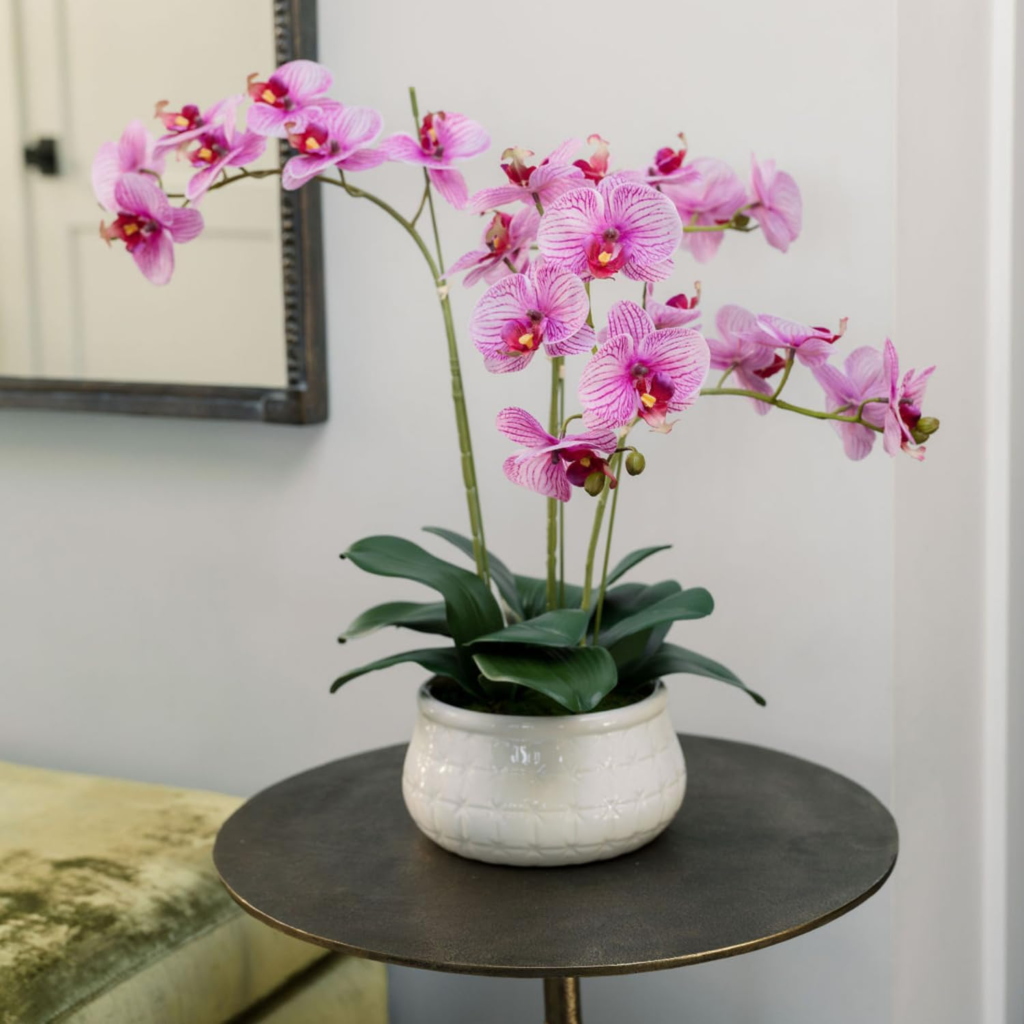
In addition to color and texture, integrating elements of nature into your home can significantly enhance comfort. Plants and natural materials such as wood and stone promote a sense of tranquility. Start small by incorporating potted plants or fresh flowers to breathe life into your space. This connection to the outdoors can enhance your overall well-being and instill a sense of peace.

Personal touches, such as family photographs or cherished artifacts, add character and warmth, making the space uniquely yours. It is crucial, however, to curate these elements mindfully within your budget. Thrift stores, local markets, and DIY projects offer myriad options for achieving a soft living environment without excessive spending. Embracing simplicity and intentionality in these choices allows one to create a haven that mirrors comfort and personal identity.
Living With Kindness: The Journey of Soft Living
The journey of soft living is fundamentally about embracing kindness, both towards ourselves and others. This way of life is not merely about physical comfort or aesthetic choices; it is an invitation to reevaluate how we interact with the world. Practicing kindness in our daily lives involves adopting a gentle approach that fosters connection, understanding, and empathy. By integrating these principles into our routines, we allow ourselves to experience life in a more nuanced way, one that promotes both personal growth and harmonious relationships.
To begin, it is essential to understand that soft living emphasizes self-kindness. This means treating ourselves with the same compassion we readily extend to others. By prioritizing self-care and self-acceptance, we create a solid foundation from which we can engage fully with life. This process begins with recognizing our needs and honoring them, rather than pushing ourselves beyond our limits. It is through this act of kindness toward ourselves that we can nurture resilience, ultimately enriching our experiences.
Moreover, soft living encourages us to cultivate a gentle environment within our homes. A space characterized by warmth and tranquility serves as a sanctuary from the chaos of daily life. This nurturing atmosphere not only enhances our mental well-being but also invites us to practice mindfulness. Engaging with our surroundings through a soft living lens allows us to appreciate the small joys of life, promoting a sense of security and peace. Each element we choose to surround ourselves with—textures, colors, lighting—contributes to creating a home that reflects kindness.
In essence, soft living is a transformative journey that advocates for kindness as a central tenet of our everyday existence. By embracing this approach, we can foster deeper connections, nurture our well-being, and cultivate a home that truly embraces us. It is an invitation to engage more fully with both ourselves and our environment, leading to a more peaceful and enriched life.