
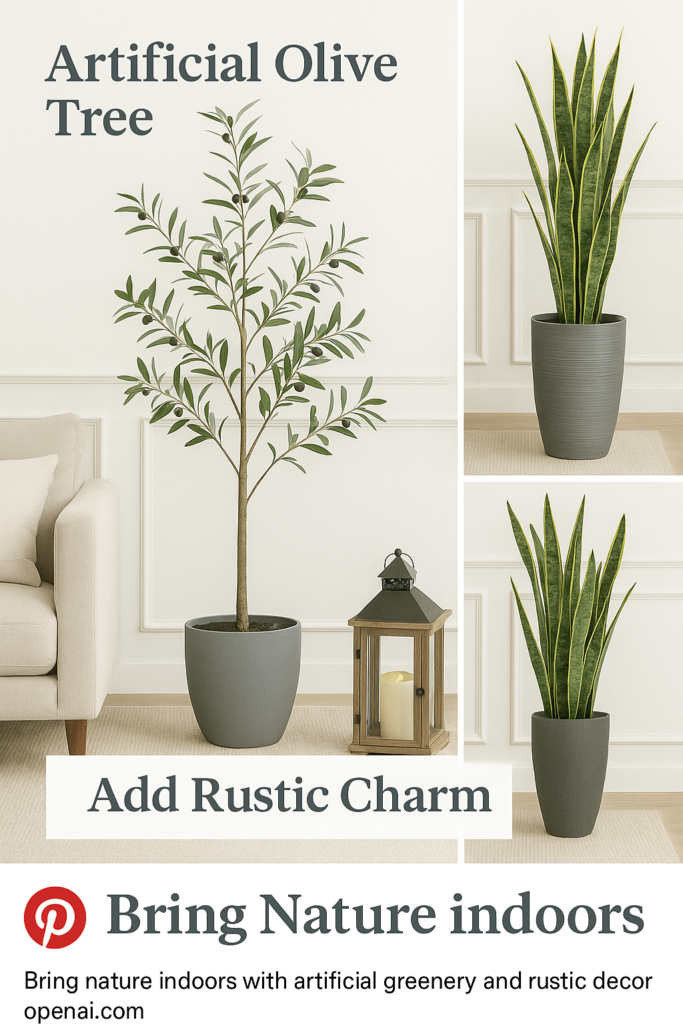
The Allure of Faux Trees
In recent years, faux trees have risen in popularity as a favored choice for home decor enthusiasts seeking to infuse their interiors with a touch of nature. Unlike traditional houseplants, faux trees provide aesthetic appeal without the associated maintenance requiring regular watering or sunlight. This aspect makes them a practical option for individuals or families with busy lifestyles, allowing them to enhance their living spaces effortlessly.
One of the most compelling features of faux trees is their versatility. They seamlessly fit into various design schemes, whether one desires a modern aesthetic characterized by clean lines and minimalism or a more rustic ambiance infused with earthy tones. Faux trees come in an array of species, sizes, and styles, allowing homeowners to choose options that best suit their personal preferences and existing decor. From the statement-making ficus tree to the delicate olive tree, the choices available cater to diverse tastes, enhancing any space with a subtle richness.
Furthermore, faux trees create a natural ambiance that can transform a room’s atmosphere. They act as focal points, drawing the eye and encouraging a sense of tranquility within the home, reminiscent of outdoor settings. This connection to nature is especially beneficial in urban environments where actual greenery may be scarce. By integrating faux trees into interior spaces, individuals can achieve a harmonious balance that promotes well-being and comfort.
Ultimately, the allure of faux trees lies in their ability to provide a lush, green element that complements various styles while eliminating the challenges of plant care. As a result, they have become an essential decor item for those looking to bring the beauty of nature into their homes without the hassle of maintenance.https://amzn.to/3Kg40wI
Choosing the Right Faux Tree for Your Home
As an Amazon Associate, I earn from qualifying purchases. Thank you. When it comes to enhancing your living space with faux trees, careful selection is paramount. The first step is to consider the size of the tree. Measure the area where you plan to place the tree, as this will help you determine if a tall, slender fiddle leaf fig or a more bushy species, like a palm, will fit well. A tree that is too large can overwhelm a room, while one that is too small may not make a significant impact.
Next, the type of faux tree is crucial. Different species can evoke various moods and atmospheres within a space. For example, fiddle leaf figs are known for their dramatic leaves and can create a sense of modern elegance, while palms tend to offer a more tropical and relaxed vibe. Each tree type has its unique characteristics, which can influence the overall aesthetic of the room.
Moreover, color and material quality also play significant roles in your selection process. Faux trees come in a variety of colors, from vibrant greens to muted tones. Opting for a tree with natural hues will more closely mimic real foliage, contributing to an authentic look. Additionally, the material quality of the faux tree is important; selecting a high-quality piece will ensure durability and longevity, making your investment worthwhile.
Placement is also an essential consideration. A faux tree can serve as a statement piece or as part of a broader decor scheme. Positioning the tree near natural light sources can enhance its appearance, while placing it in a corner can create a cozy nook. Lastly, be mindful of how your chosen faux tree complements existing furnishings; matching textures and colors will enable seamless integration into your decor, enhancing the overall aesthetic of your home.
Maintaining the Charm of Faux Trees
Faux trees, with their realistic appearance and long-lasting appeal, can contribute significantly to the ambiance of a home. However, to truly harness their charm, proper maintenance is essential. Regular cleaning is the first step in ensuring that these decor pieces retain their natural beauty. The simplest way to clean faux trees is to dust them lightly with a microfiber cloth. For more thorough maintenance, a gentle solution of mild soap and water can be applied with a soft brush to remove any dirt or debris accumulated over time. Always ensure that the faux foliage is dry afterward to prevent any lasting damage.
When arranging faux trees, consider their size and the space they inhabit. Larger pieces often serve as focal points in a room; hence, placing them near windows or in brightly lit areas can enhance their vitality. Smaller faux trees, on the other hand, can be grouped together to create a lush, mini-forest effect, adding depth and texture to your decor. Using planters or decorative pots that complement the overall home aesthetic helps further enhance their visual impact.
Seasonal decorations present an excellent opportunity to refresh the look of your faux trees. During holidays, you could adorn them with themed ornaments, such as fairy lights or seasonal flowers, adding an extra layer of charm. In spring, consider incorporating artificial blossoms, while in autumn, vibrant hues of leaves can provide a warm visual treat. By adapting decorations to fit seasonal themes, you not only maintain but also celebrate the presence of your faux trees in dynamic and engaging ways.
With these simple guidelines, maintaining the charm of faux trees becomes a straightforward task. Regular care paired with intentional arrangements and seasonal decor can ensure that your faux foliage remains a vibrant part of your home, providing joy and aesthetic value for years to come.
Faux Trees: Sustainability and Design Trends
In recent years, the interior design landscape has witnessed a surge in the popularity of faux trees, driven by a growing awareness of sustainability and an increased demand for eco-friendly home decor choices. Faux trees, crafted from innovative materials that aim to mimic the aesthetic appeal of real foliage, serve not only as stylish design elements but also as practical solutions for those wishing to incorporate greenery into their spaces without the associated environmental concerns of live plants. This makes faux trees an excellent option for maintaining an eco-conscious interior.https://amzn.to/4pSlVsf
Modern faux trees are often made from sustainable materials, such as recycled plastics and organic fabrics, designed to reduce the carbon footprint associated with traditional plant production. Manufacturers are now prioritizing environmentally friendly processes, utilizing water-based adhesives and dyes to minimize harmful emissions. By choosing faux trees that embody these sustainable practices, homeowners can contribute to a larger movement towards responsible consumerism, which benefits both the environment and design aesthetics within their homes.
The current design trends in the use of faux greenery emphasize a focus on versatility and personalization. Interior spaces are increasingly adopting an organic feel, with faux trees being incorporated into various design elements, including feature walls, peaceful corners, and open-plan spaces. These artificial plants create a serene ambience while requiring minimal maintenance, suggesting a blend of convenience and style that appeals to a busy lifestyle. Moreover, the color and texture variations available provide endless opportunities for customization, enabling individuals to express their own tastes while staying aligned with broader sustainability goals.
In conclusion, faux trees embody a balanced approach to modern interior design, marrying sustainability with artistic expression. They not only enhance home aesthetics but also play a significant role in fostering a calming and restorative environment that nurtures well-being while being mindful of the planet’s health.