
The Art of Decorative Vases: Introduction to Aesthetic Appeal
Decorative vases have transcended their primary function of holding flowers to become significant art pieces that enhance the aesthetic appeal of any interior space. These exquisite items come in various shapes, sizes, and materials, reflecting the diverse cultural heritage and artistic styles employed throughout history. By integrating decorative vases into one’s home, individuals can establish a visual harmony that not only elevates the décor but also adds a personal touch.https://amzn.to/4q2j3ts As an Amazon Associate, I earn from qualifying purchases. Thank you
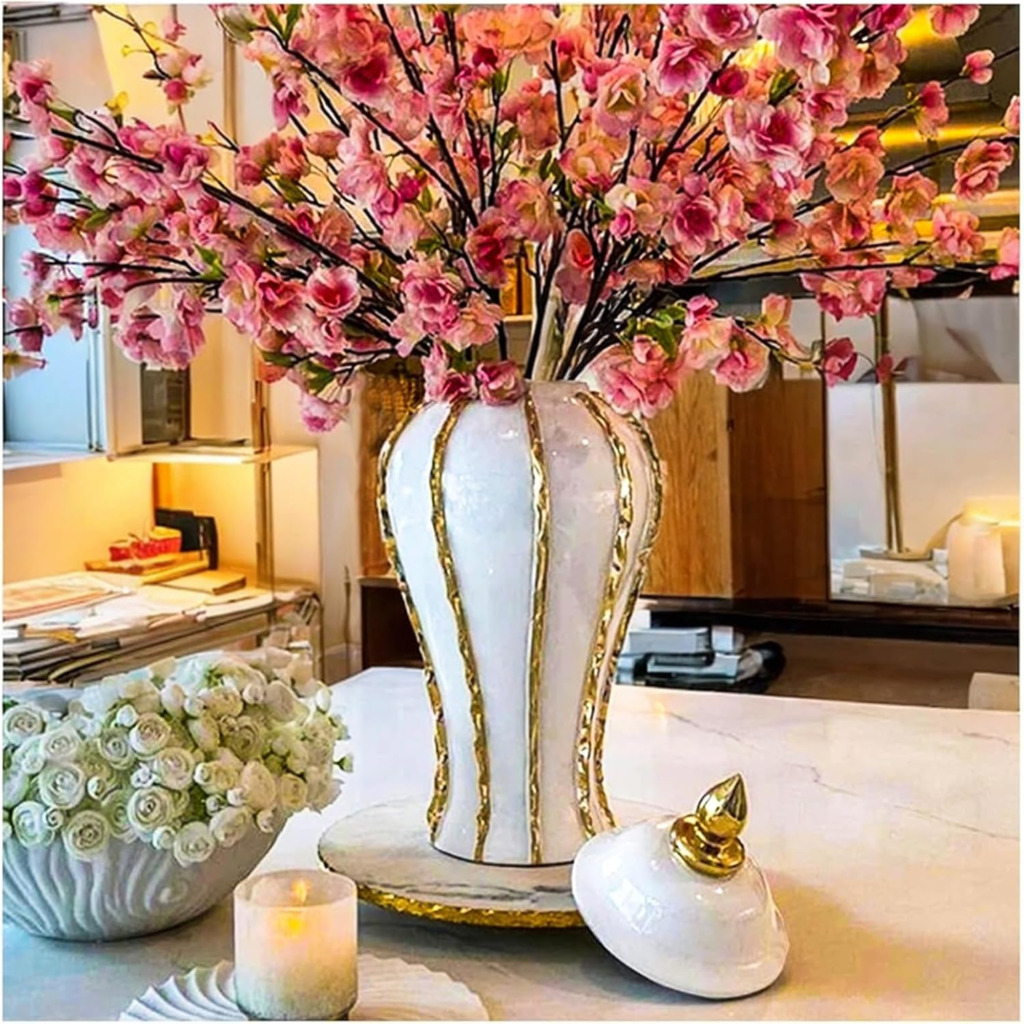
The aesthetic contribution of vases is multifaceted. They can introduce color, texture, and form, complementing other design elements within a room. For instance, a sleek ceramic vase can add a modern touch, while an intricate glass piece might evoke a sense of vintage charm. In regions like Asia, vases hold cultural significance, often adorned with traditional motifs that tell stories of their heritage. Likewise, Scandinavian designs emphasize simplicity and functionality, showcasing how vases can serve as both art objects and practical containers.
Moreover, the balance between functionality and artistic expression is crucial in the realm of decorative vases. While they can beautifully display fresh flowers or dried botanicals, they also stand as sculptures when empty. This dual purpose allows homeowners to experiment with different décor styles without compromising on practicality. For example, pairing a bold, colorful vase with neutral flowers can create a striking focal point, whereas muted vases can enhance the subtlety of more elaborate floral arrangements.
Ultimately, decorative vases represent an intersection of artistic design and everyday pragmatism. They are not merely functional items but rather integral components of interior aesthetics, allowing for creative expression and personal storytelling through their unique designs.
Choosing the Right Decorative Vase for Your Space
Selecting the ideal decorative vase involves a thoughtful consideration of various factors, such as size, color, material, and overall style, to ensure it complements your home décor. Understanding the dimensions of the space where the vase will be placed is crucial; oversized vases can overpower a small area, while tiny vases may become lost in larger environments. A good rule of thumb is to select a vase that is proportionate to the furniture or surfaces on which it will rest. For example, a tall vase can serve as a stunning centerpiece on a dining table, drawing the eye upward and adding an element of sophistication.
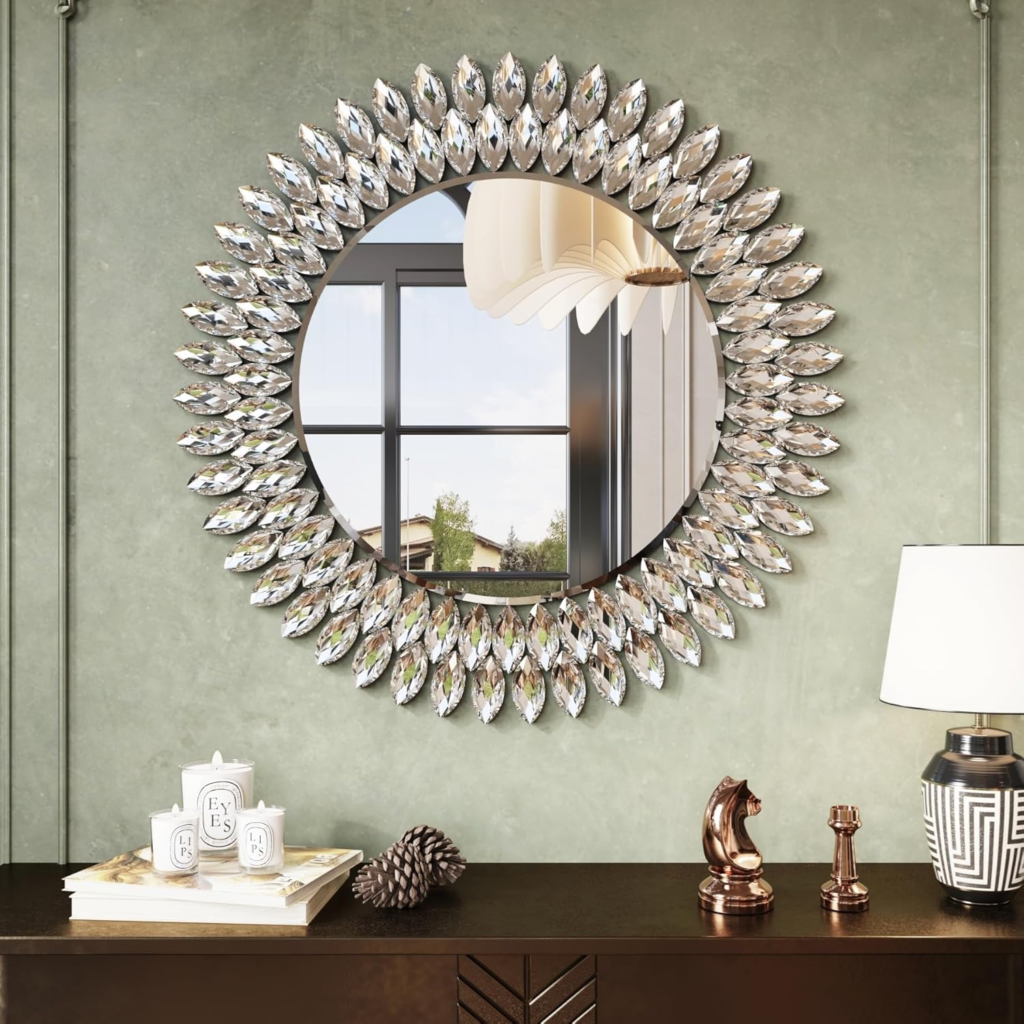
Color coordination also plays a vital role in choosing a decorative vase. Consider the existing color palette of your room; a vase that contrasts with its surroundings can add excitement, whereas a vase in a similar shade can create a harmonious feel. Additionally, materials such as glass, ceramic, or metal each bring their unique textures and aesthetics, contributing to the overall ambiance of the room. A glass vase might lend a modern touch, while a vintage ceramic piece can evoke warmth and nostalgia.https://amzn.to/4aCsCdD
It is also essential to think about the vase’s purpose. Will it be used for displaying flowers, or is it intended to stand alone as a statement piece? If the vase will frequently hold floral arrangements, ensure it has proper drainage and is designed to facilitate flower displays. Conversely, if you seek a decorative piece that shines on its own, opt for vases with unique shapes or intricate designs. In exploring these elements, pairing decorative vases with other décor, like furniture and wall art, can tie together your overall design theme, creating a visually appealing and cohesive look.
Care and Maintenance of Decorative Vases
Maintaining the elegance and functionality of decorative vases requires a diligent approach to cleaning and care, tailored to the specific materials used in their construction. Vases made from glass, ceramic, and metal each necessitate unique cleaning techniques to preserve their beauty over time.
For glass vases, a gentle approach is recommended. Use a soft microfiber cloth and a mixture of warm water and mild dish soap for cleaning. Avoid abrasive scrubbers as they can scratch the surface. Glass vases should be rinsed thoroughly to remove any soap residue. It is beneficial to avoid extreme temperature changes, as this could result in cracking. For vases that hold water, consider regularly replacing the water to prevent unsightly stains and bacterial growth.
Ceramic vases vary widely in finish; therefore, the cleaning strategy may differ. For matte finishes, a damp cloth may suffice, while glossy finishes can benefit from a glass cleaner to maintain shine. Ensure that ceramic vases are placed on a stable surface and are handled with care to avoid chipping. To aesthetically enhance floral arrangements, regular cleaning of the interior is also advisable to keep it free from debris that may affect water quality.
Metal vases, often made from materials like brass or stainless steel, require maintenance to prevent tarnishing. Use a specialized metal cleaner suitable for the type of metal, along with a soft cloth to restore their shine. Avoid using acidic or abrasive cleaners that could damage the finish. Furthermore, when storing metal vases, it is wise to wrap them in soft cloths and keep them in a dry environment to avoid moisture-related damage.
It is crucial to handle all types of vases with care to prevent accidental breakage. Additionally, placing vases in stable locations, away from high-traffic areas, will minimize the risk of tipping over. For vases that accommodate floral arrangements, consider choosing long-lasting flowers or using floral preservatives to sustain both beauty and freshness in your displays.
Creative Ways to Display Your Decorative Vases
Decorative vases offer a splendid opportunity to enhance the aesthetic appeal of your living spaces, and finding creative ways to display them can truly elevate your home decor. One impactful method is to arrange vases in groups. This technique allows you to create a dynamic focal point; consider using various heights, shapes, and colors to establish a visually interesting composition. For instance, cluster taller vases behind shorter ones to create depth, while using a common color scheme can unify the display.
Additionally, think beyond traditional placements. Decorative vases can find a home in unexpected spaces, such as on entryway tables, kitchen countertops, or even your bathroom. Such unconventional placements not only add flair to those areas but also draw attention to pieces that may typically go unnoticed. Incorporating vases into these areas can bring a touch of elegance, transforming everyday scenes into stylish effigies of your personal taste.
Another innovative approach is to integrate decorative vases into styling vignettes. This involves arranging vases alongside other decorative objects—like books, candles, or framed photos—on shelves or tabletops. This layering technique adds interest and encourages the mixture of both modern and traditional designs. You might consider grouping a sleek, contemporary vase with vintage books or an antique candlestick to create a stunning contrast that reflects your unique style.
As seasons change, so too can your decorative vases. Incorporate seasonal elements, such as fresh flowers in spring or decorative twigs in winter. Regularly refreshing the contents of your vases will keep your interior feeling vibrant and engaged throughout the year. Experimenting with various styles and layouts not only expresses your creativity but also deepens your connection with your decor, allowing your home to truly reflect your identity.